Relieved but Vulnerable: Understanding Why Prednisone Lowers Your Guard Against Infection While Calming Inflammation

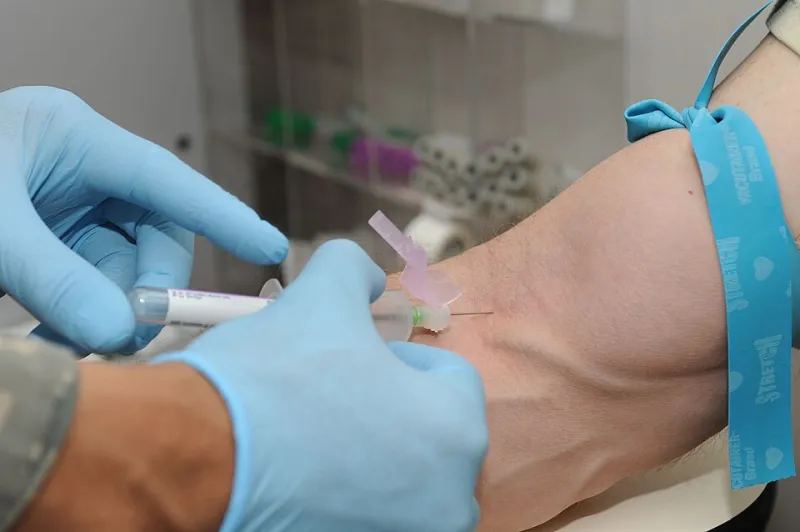
Photo: U.S. Navy photo by Petty Officer 2nd Class Jonas Womack, Public domain, via Wikimedia Commons
For many patients, the early days on prednisone feel like a revelation. Joint pain recedes. Breathing becomes easier. The relentless fatigue tied to an overactive immune response begins to lift. What is not visible — and what no amount of symptomatic relief can reveal — is that the same biological mechanism producing that welcome calm is also quietly dismantling key layers of your body's infectious disease defenses.
This is the central tension of corticosteroid therapy: the drug works precisely because it suppresses immune activity, and immune suppression is, by definition, a reduction in your capacity to fight pathogens. Grasping this reality is not meant to frighten you away from a medication that may be genuinely necessary. It is meant to give you the knowledge to use it wisely.
How Prednisone Achieves Its Anti-Inflammatory Effect
Prednisone belongs to the glucocorticoid class of corticosteroids. After you swallow a tablet, your liver converts it into its active form, prednisolone, which then enters cells throughout the body and binds to glucocorticoid receptors. This binding triggers a cascade of changes in gene expression that ultimately reduces the production of pro-inflammatory molecules — cytokines, prostaglandins, and leukotrienes among them.
In conditions such as rheumatoid arthritis, lupus, severe asthma, inflammatory bowel disease, and dozens of others, this suppression is therapeutic. The immune system, which has been attacking the body's own tissues or reacting disproportionately to a trigger, is reined in. Swelling decreases. Redness fades. Pain diminishes.
The problem is that the immune system does not operate in neatly separated departments. The same inflammatory signals that cause harm in autoimmune disease also serve as essential communication tools when a bacterial infection enters your bloodstream or a dormant virus attempts to reactivate. When prednisone quiets those signals broadly, it reduces harmful inflammation and protective inflammation simultaneously.
The Specific Immune Defenses That Are Compromised
Corticosteroids affect multiple branches of immune function, and understanding which ones are most affected helps explain the particular infection risks patients face.
Neutrophil behavior: Neutrophils are among the first responders to bacterial invasion. Prednisone causes them to be released from bone marrow in larger numbers — which actually raises the white blood cell count on a lab panel — but simultaneously impairs their ability to migrate to infection sites and engulf pathogens. The cells are present but functionally hampered.
Lymphocyte activity: T-cells and B-cells, which coordinate targeted immune responses and produce antibodies, are reduced in number and effectiveness under corticosteroid influence. This is particularly relevant for viral infections and for the reactivation of latent infections such as tuberculosis, herpes zoster (shingles), and cytomegalovirus.
Macrophage function: These cells act as both early defenders and long-term memory keepers of the immune system. Prednisone diminishes their ability to present antigens and produce the signaling molecules that recruit additional immune cells to a site of infection.
Mucosal and skin barriers: High-dose or prolonged corticosteroid use can thin the skin and impair mucosal integrity, reducing the physical barriers that prevent pathogens from entering the body in the first place.
Which Infections Are Most Likely — and Why the Risk Escalates With Dose and Duration
Not all patients on prednisone face the same degree of risk. The infection hazard is meaningfully tied to two variables: how much you are taking and how long you have been taking it.
Short courses at moderate doses — the kind prescribed for a poison ivy reaction or a brief asthma flare — carry relatively modest risk for most otherwise healthy adults. The danger profile shifts considerably for patients on doses above 20 milligrams per day for extended periods, or those on lower doses sustained over months or years.
Bacterial infections, including pneumonia and urinary tract infections, are among the most common complications. Fungal infections, particularly oral thrush caused by Candida species, are frequently encountered and often underrecognized. Opportunistic infections — those caused by organisms that rarely trouble people with intact immune systems — become a genuine concern at higher levels of immunosuppression. Pneumocystis jirovecii pneumonia (PCP) is one such example; physicians frequently prescribe prophylactic antibiotics for patients at elevated risk.
Reactivation of latent tuberculosis is a well-established concern, which is why many clinicians screen for TB before initiating long-term corticosteroid therapy. Similarly, patients with a history of herpes zoster are at increased risk of recurrence.
Recognizing Warning Signs: When to Contact Your Provider Without Delay
One of the more insidious aspects of prednisone-related infection risk is that the drug can partially mask the classic warning signs of infection. Fever may be blunted. Localized redness and swelling — the hallmarks of inflammation — may be suppressed even as an infection advances. This means that by the time symptoms become undeniable, an infection may be further along than it would be in a patient not taking corticosteroids.
Patients on long-term prednisone therapy should treat the following symptoms with heightened urgency:
- Fever above 100.4°F, even if mild, warrants prompt medical evaluation — do not assume it will resolve on its own
- Persistent cough, particularly if accompanied by shortness of breath or changes in sputum color
- Unusual fatigue that feels distinct from your baseline, especially if paired with chills or night sweats
- Skin changes such as new sores, spreading redness, or wounds that are not healing normally
- White patches in the mouth or throat, which may indicate oral candidiasis
- Painful skin rash, particularly one that follows a dermatomal (band-like) pattern, which may signal shingles
If you are uncertain whether a symptom warrants a call to your physician, err on the side of contact. The threshold for seeking evaluation should be lower for patients on immunosuppressive therapy than for the general population.
Practical Strategies for Reducing Infection Risk
While you cannot entirely eliminate the immunosuppressive effects of prednisone, several evidence-supported strategies can meaningfully reduce your vulnerability during treatment.
Stay current on vaccinations. Live vaccines — including the live shingles vaccine Zostavax and the MMR — are generally contraindicated during significant immunosuppression. However, inactivated vaccines, including the annual influenza shot, pneumococcal vaccines, and the recombinant shingles vaccine Shingrix, are typically recommended and safe. Discuss your vaccination status with your provider before or shortly after starting therapy.
Practice consistent hand hygiene. This remains one of the most effective and underutilized tools for reducing respiratory and gastrointestinal infections. Alcohol-based hand sanitizers are appropriate when soap and water are unavailable.
Avoid close contact with individuals who are acutely ill. During cold and flu season, this may require more deliberate social planning than you are accustomed to.
Maintain open communication with your care team. Inform every provider — including dentists and urgent care clinicians — that you are taking corticosteroids. This context shapes diagnostic and treatment decisions in important ways.
Do not self-treat suspected infections. Avoid the temptation to manage what feels like a minor infection with over-the-counter remedies and watchful waiting. What appears minor may progress more rapidly in an immunocompromised individual.
Ask about prophylaxis. For patients on higher doses or longer courses, your physician may consider preventive medication against specific infections, particularly PCP. This is a conversation worth initiating if it has not already occurred.
Holding Both Truths at Once
Living on prednisone means holding two realities in mind simultaneously: the medication is helping you, and it is also changing your relationship with the microbial world around you. Neither truth cancels the other out. The inflammation you were experiencing was real, and the relief the drug provides may be essential to your quality of life and long-term health. At the same time, the infection risk is not hypothetical — it is a predictable physiological consequence of how corticosteroids work.
The most effective patients are not those who avoid prednisone out of fear, nor those who take it without thought. They are the ones who understand the mechanism, recognize the warning signs, and stay engaged with their medical team throughout treatment. That combination of awareness and action is, ultimately, the most reliable protection available.